Pools & Pumps · Type
Sump Pumps for the Basement
A sump pump sits in a pit at the low point of your basement and pumps groundwater out before it reaches the floor. Most homes use a submersible pump with a float switch; the choices that matter are horsepower, flow at your lift, and a switch that fits your pit. This table lists every sump pump in our data, highest stated flow first, with a dash wherever the maker doesn't say. I keep a flashlight by our pit the way some people keep a remote by the couch.

We earn a commission if you buy through our links, at no cost to you. Disclosure
| Model | Electrical safety listing | Kind | Motor power | Flow at 10 ft | Shut-off head | Switch | Amazon |
|---|---|---|---|---|---|---|---|
VEVOR 1/2 HP 6900 GPH Sewage PumpSump pumps More specs
| — | Submersible (automatic)listing | 1/2listing | 6,900 GPHlisting | 20 ftlisting | Tethered floatlisting | Check price |
Basement Watchdog BWSS100Sump pumps More specs
| — | Submersible (automatic)listing | 1listing | 6,540 GPHlisting | — | — | Check price |
DEWALT DXWP62783Sump pumps More specs
| — | Submersible (automatic)listing | 3/4listing | 6,480 GPHlisting | 37 ftlisting | Vertical floatlisting | Check price |
Wayne CDU1000Sump pumps More specs
| — | Submersible (automatic)listing | 1listing | 6,100 GPHlisting | — | Vertical floatlisting | Check price |
VEVOR 1.5 HP Cast Iron Sump PumpSump pumps More specs
| — | Submersible (automatic)listing | 1.5listing | 6,000 GPHlisting | 33 ftlisting | Vertical floatlisting | Check price |
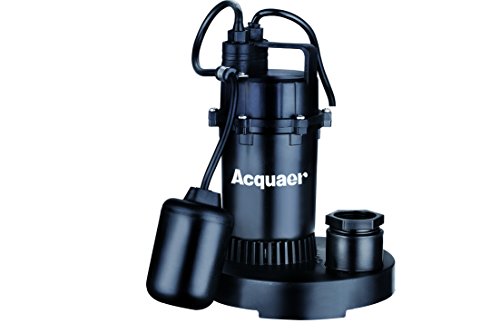
Acquaer 1.2HP Sump PumpSump pumps | — | Submersible (automatic)listing | 1.2listing | 5,722 GPHlisting | 33 ftlisting | — | Check price |
XtremepowerUS 3/4 HP Cast Iron Sump PumpSump pumps More specs
| — | Submersible (automatic)listing | 3/4listing | 5,500 GPHlisting | 32 ftlisting | Vertical floatlisting | Check price |
Wayne CDU980ESump pumps More specs
| — | Submersible (automatic)listing | 3/4listing | 5,490 GPHlisting | — | Vertical floatlisting | Check price |
Wayne Basement Guardian HALOSump pumps More specs
| — | — | 3/4listing | 5,490 GPHlisting | — | — | Check price |
Wayne CDU980ETSump pumps More specs
| — | — | 3/4listing | 5,490 GPHlisting | — | — | Check price |
VEVOR 1/2 HP 5400 GPH Sewage PumpSump pumps More specs
| — | Submersible (automatic)listing | 1/2listing | 5,400 GPHlisting | 22 ftlisting | Tethered floatlisting | Check price |
Basement Watchdog BWT075Sump pumps | — | Submersible (automatic)listing | 3/4listing | 5,300 GPHlisting | — | — | Check price |
VEVOR 1 HP Stainless Steel Sewage PumpSump pumps More specs
| — | Submersible (automatic)listing | 1listing | 5,300 GPHlisting | 36 ftlisting | Tethered floatlisting | Check price |
VEVOR 1.3 HP Cast Iron Sewage PumpSump pumps More specs
| — | Submersible (automatic)listing | 1.3listing | 5,100 GPHlisting | 40 ftlisting | Tethered floatlisting | Check price |
Wayne CDU800Sump pumps More specs
| — | Submersible (automatic)listing | 1/2listing | 5,100 GPHlisting | — | Vertical floatlisting | Check price |
Wayne 1/2 HP Cast Iron Sump PumpSump pumps More specs
| — | Submersible (automatic)listing | 1/2listing | 5,100 GPHlisting | — | Tethered floatlisting | Check price |
Wayne BGSP50Sump pumps More specs
| — | Submersible (automatic)listing | 1/2listing | 5,100 GPHlisting | — | Vertical floatlisting | Check price |
Wayne HALO50Sump pumps More specs
| — | — | 1/2listing | 5,100 GPHlisting | — | — | Check price |
Wayne WBPS50Sump pumps More specs
| — | Primary + backup combolisting | 1/2listing | 5,100 GPHlisting | — | — | Check price |
XtremepowerUS 1/2 HP Cast Iron Sewage PumpSump pumps More specs
| — | Submersible (automatic)listing | 1/2listing | 4,860 GPHlisting | 30 ftlisting | Tethered floatlisting | Check price |
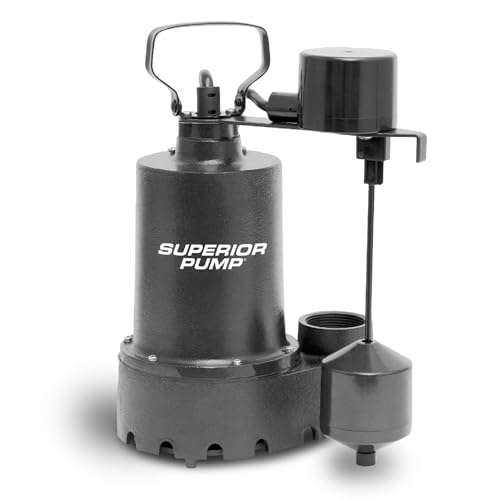
Superior Pump 92751Sump pumps More specs
| UL listedlisting | — | 3/4listing | 4,800 GPHlisting | 25 ftlisting | Vertical floatlisting | Check price |
Wayne CDU790Sump pumps | — | Submersible (automatic)listing | 1/3listing | 4,600 GPHlisting | — | Vertical floatlisting | Check price |
Wayne CDU790Sump pumps More specs
| — | — | 1/3listing | 4,600 GPHlisting | — | Vertical floatlisting | Check price |
Basement Watchdog BW1050Sump pumps | — | — | 1/2listing | 4,400 GPHlisting | — | — | Check price |
Basement Watchdog SIT-50DSump pumps More specs
| — | Submersible (automatic)listing | 1/2listing | 4,400 GPHlisting | — | — | Check price |
VEVOR 1/2 HP Stainless Steel Sump PumpSump pumps More specs
| — | Submersible (automatic)listing | 1/2listing | 4,320 GPHlisting | 28 ftlisting | Tethered floatlisting | Check price |
Zoeller M98 Flow-MateSump pumps More specs
| — | Submersible (automatic)listing | 1/2listing | 4,320 GPHlisting | — | — | Check price |
Zoeller M98 Flow-MateSump pumps More specs
| — | Submersible (automatic)listing | 1/2listing | 4,320 GPHlisting | — | — | Check price |
Zoeller M63Sump pumps More specs
| — | Submersible (automatic)listing | 3/10listing | 4,320 GPHlisting | — | — | Check price |
Basement Watchdog SI-50VSump pumps More specs
| — | Submersible (automatic)listing | 1/2listing | 4,300 GPHlisting | — | Vertical floatlisting | Check price |
Superior Pump 92911Sump pumps More specs
| — | Primary + backup combolisting | 1/2listing | 4,200 GPHlisting | 25 ftlisting | Vertical floatlisting | Check price |
VEVOR 1HP Stainless Steel Sump PumpSump pumps More specs
| — | Submersible (automatic)listing | 1listing | 4,020 GPHlisting | 30 ftlisting | — | Check price |
VEVOR 1 HP Submersible Sump PumpSump pumps | — | Submersible (manual / utility-type)listing | 1listing | 4,000 GPHlisting | 31 ftlisting | — | Check price |
Wayne SPF33Sump pumps More specs
| — | Submersible (automatic)listing | 1/3listing | 3,750 GPHlisting | — | Vertical floatlisting | Check price |
Basement Watchdog CITE-33Sump pumps | — | Primary + backup combolisting | 1/3listing | 3,720 GPHlisting | — | — | Check price |
Basement Watchdog DFK961Sump pumps More specs
| — | Primary + backup combolisting | 1/3listing | 3,700 GPHlisting | — | — | Check price |
Red Lion RL-SP50TSump pumps More specs
| — | Submersible (automatic)listing | 1/2listing | 3,600 GPHlisting | 28 ftlisting | Tethered floatlisting | Check price |
Superior Pump 92551Sump pumps More specs
| UL listedlisting | Pedestallisting | 1/2listing | 3,600 GPHlisting | — | — | Check price |
Basement Watchdog Big Dog CONNECT BWD12-120CSump pumps More specs
| — | Battery backuplisting | — | 3,500 GPHlisting | — | — | Check price |
VEVOR 1/2 HP Utility Sink Pump SystemSump pumps More specs
| None statedlisting | — | 1/2listing | 3,500 GPHlisting | 28 ftlisting | — | Check price |


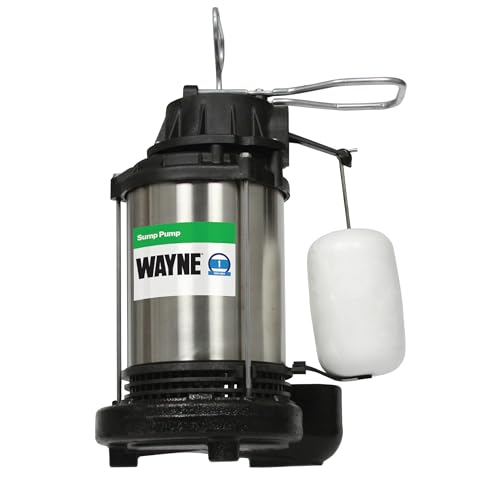


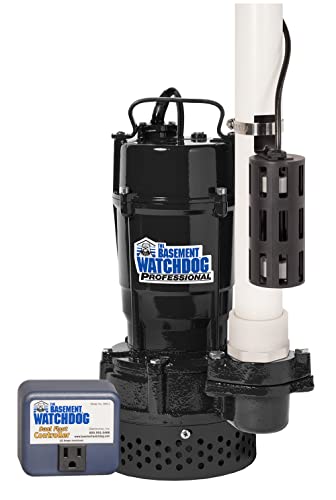


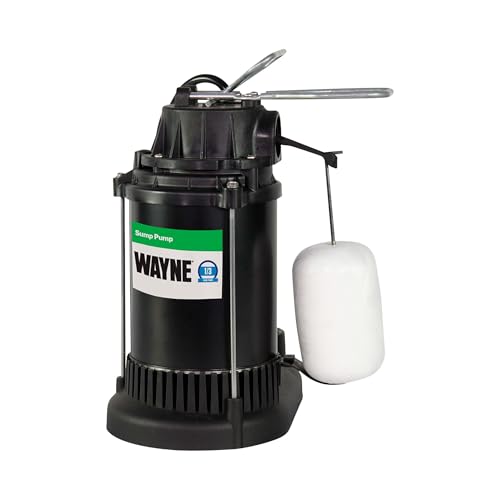


AQUASTRONG 1/2HP Stainless and Cast Iron Sump PumpSump pumps More specs
| — | Submersible (automatic)listing | 1/2listing | 3,450 GPHlisting | 25 ftlisting | — | Check price |
|---|---|---|---|---|---|---|---|
Red Lion RL-SS50VSump pumps More specs
| CSA listedlisting | Submersible (automatic)listing | 1/2listing | 3,450 GPHlisting | — | Vertical floatlisting | Check price |
Red Lion RL-SP33PEDSump pumps More specs
| UL listedlisting | Pedestallisting | 1/3listing | 3,300 GPHlisting | 16 ftlisting | — | Check price |
Red Lion RL-SP33PEDSump pumps More specs
| UL listedlisting | Pedestallisting | 1/3listing | 3,300 GPHlisting | — | — | Check price |
Superior Pump 92572Sump pumps More specs
| — | Submersible (automatic)listing | 1/2listing | 3,300 GPHlisting | 25 ftlisting | Vertical floatlisting | Check price |
Superior Pump 92541Sump pumps More specs
| UL listedlisting | Submersible (automatic)listing | 1/2listing | 3,300 GPHlisting | 25 ftlisting | Vertical floatlisting | Check price |
Superior Pump 92057Sump pumps More specs
| — | Submersible (automatic)listing | 1/2listing | 3,300 GPHlisting | 25 ftlisting | Vertical floatlisting | Check price |
Red Lion SPS33Sump pumps | — | — | 1/3listing | 3,200 GPHlisting | 25 ftlisting | Vertical floatlisting | Check price |
Red Lion RL-SP33VSump pumps More specs
| — | Submersible (automatic)listing | 1/3listing | 3,200 GPHlisting | 25 ftlisting | Vertical floatlisting | Check price |
Little Giant BSP50VSump pumps More specs
| CSA listedlisting | Submersible (automatic)listing | 1/2listing | 3,180 GPHlisting | 26 ftlisting | Vertical floatlisting | Check price |
AQUASTRONG 1/2 HP Thermoplastic Sump PumpSump pumps More specs
| — | Submersible (manual / utility-type)listing | 1/2listing | 3,159 GPHlisting | 26 ftlisting | No switch (manual)listing | Check price |
AQUASTRONG 3159 GPH Submersible Sump PumpSump pumps More specs
| — | — | 1/2listing | 3,159 GPHlisting | 26 ftlisting | Tethered floatlisting | Check price |
Acquaer 1/3HP Submersible Sump PumpSump pumps | — | Submersible (automatic)listing | 1/3listing | 3,040 GPHlisting | 29 ftlisting | — | Check price |
Basement Watchdog PS-C33Sump pumps | — | Primary + backup combolisting | 1/3listing | 3,000 GPHlisting | 31 ftlisting | — | Check price |
Little Giant CS-SSSump pumps More specs
| CSA listedlisting | Submersible (automatic)listing | 1/3listing | 3,000 GPHlisting | 22 ftlisting | — | Check price |
Wayne WST33Sump pumps More specs
| — | — | 1/3listing | 3,000 GPHlisting | — | Tethered floatlisting | Check price |
Zoeller M75 Aqua-MateSump pumps | — | Submersible (automatic)listing | 1/2listing | 3,000 GPHlisting | — | — | Check price |
Acquaer 1/3 HP Thermoplastic Sump PumpSump pumps More specs
| — | — | 1/3listing | 2,850 GPHlisting | 23 ftlisting | — | Check price |
Basement Watchdog PS-C11Sump pumps | — | Primary + backup combolisting | 1/3listing | 2,770 GPHlisting | 31 ftlisting | — | Check price |
Little Giant 6-CIASump pumps More specs
| CSA listedlisting | Submersible (automatic)listing | 1/3listing | 2,760 GPHlisting | 18 ftlisting | Diaphragmlisting | Check price |
Little Giant 6-CBASump pumps More specs
| CSA listedlisting | Submersible (automatic)listing | 1/3listing | 2,760 GPHlisting | 18 ftlisting | Diaphragmlisting | Check price |
Superior Pump 92341Sump pumps More specs
| — | Submersible (automatic)listing | 1/3listing | 2,760 GPHlisting | 25 ftlisting | Vertical floatlisting | Check price |
Superior Pump 92331Sump pumps More specs
| — | — | 1/3listing | 2,760 GPHlisting | 25 ftlisting | Tethered floatlisting | Check price |
Superior Pump 92031Sump pumps More specs
| — | Submersible (automatic)listing | 1/3listing | 2,760 GPHlisting | 25 ftlisting | Vertical floatlisting | Check price |
Wayne ESP25nSump pumps | — | Battery backuplisting | — | 2,700 GPHlisting | — | — | Check price |
Acquaer 1/2 HP Automatic Sump PumpSump pumps More specs
| — | Submersible (automatic)listing | 1/2listing | 2,450 GPHlisting | 25 ftlisting | Electroniclisting | Check price |
Little Giant 5.5-ASPASump pumps More specs
| CSA listedlisting | Submersible (automatic)listing | 1/4listing | 2,100 GPHlisting | — | — | Check price |
Basement Watchdog PHCC Pro Series 1850Sump pumps | — | Battery backuplisting | — | 1,850 GPHlisting | — | — | Check price |
Superior Pump 92250Sump pumps More specs
| — | Submersible (automatic)listing | 1/4listing | 1,800 GPHlisting | 25 ftlisting | Tethered floatlisting | Check price |
Pentair 2905Sump pumps | — | Submersible (automatic)listing | 1/4listing | 1,260 GPHlisting | — | Tethered floatlisting | Check price |
| — | Submersible (manual / utility-type)listing | 1/6listing | 1,100 GPHlisting | 16.5 ftlisting | — | Check price | |
Basement Watchdog Special CONNECT BWSPSump pumps More specs
| — | Battery backuplisting | — | — | — | — | Check price |
Basement Watchdog BW4000Sump pumps | — | Primary + backup combolisting | — | — | — | — | Check price |
| — | Battery backuplisting | — | — | — | — | Check price | |
Basement Watchdog PS-C22Sump pumps | — | — | — | — | — | — | Check price |
Basement Watchdog 1/3HP Backup Sump PumpSump pumps | — | Battery backuplisting | — | — | — | — | Check price |
Basement Watchdog 1/3HP Backup Sump PumpSump pumps | — | Battery backuplisting | — | — | — | — | Check price |
Basement Watchdog BWSPSump pumps | — | Battery backuplisting | — | — | — | — | Check price |
Basement Watchdog BWSPSump pumps | — | Battery backuplisting | — | — | — | — | Check price |
Basement Watchdog 1/3HP Backup Sump PumpSump pumps | — | Battery backuplisting | — | — | — | — | Check price |
Basement Watchdog CITS-50Sump pumps More specs
| — | Primary + backup combolisting | 1/2listing | — | — | — | Check price |
Everbilt 1/2 HP Cast Iron Sump PumpSump pumps More specs
| — | — | 1/2listing | — | — | — | Check price |
| — | — | 1/3listing | — | — | Tethered floatlisting | Check price | |
| — | — | 1/3listing | — | — | Vertical floatlisting | Check price | |
Everbilt 1/2 HP Sump Pump with TetherSump pumps | — | — | 1/2listing | — | — | Tethered floatlisting | Check price |
| — | — | 3/4listing | — | — | — | Check price | |
Everbilt 1/2 HP Aluminum Sump Pump with TetherSump pumps More specs
| — | — | 1/2listing | — | — | Tethered floatlisting | Check price |
| — | — | 1/3listing | — | — | Tethered floatlisting | Check price | |
Goulds LSP0311Sump pumps | — | — | 1/3listing | — | — | No switch (manual)listing | Check price |
Goulds LSP0311ASump pumps | — | Submersible (automatic)listing | 1/3listing | — | — | — | Check price |
Goulds LSP0311AFSump pumps | — | Submersible (automatic)listing | 1/3listing | — | — | — | Check price |
Goulds LSP0311ATFSump pumps | — | Submersible (automatic)listing | 1/3listing | — | — | — | Check price |
Goulds LSP0711FSump pumps | — | — | 3/4listing | — | — | No switch (manual)listing | Check price |
Goulds LSP0711AFSump pumps | — | Submersible (automatic)listing | 3/4listing | — | — | — | Check price |
Goulds LSP0711ATFSump pumps | — | — | 3/4listing | — | — | — | Check price |
Goulds LSP0712FSump pumps | — | — | — | — | — | — | Check price |
Goulds LSP0712AFSump pumps | — | Submersible (automatic)listing | 3/4listing | — | — | — | Check price |
Goulds LSP0712ATFSump pumps | — | — | 3/4listing | — | — | — | Check price |
Goulds LSP0311FSump pumps | — | — | — | — | — | — | Check price |
Goulds LSP0311Sump pumps More specs
| — | — | 1/3listing | — | — | No switch (manual)listing | Check price |
Goulds LSP0311ATSump pumps | — | Submersible (automatic)listing | 1/3listing | — | — | — | Check price |
Goulds LSP0711FSump pumps | — | — | 3/4listing | — | — | No switch (manual)listing | Check price |
Goulds GSP0311Sump pumps More specs
| — | — | — | — | — | — | Check price |
Goulds 1/3 HP Sump PumpSump pumps | — | — | 1/3listing | — | — | — | Check price |
Goulds WEHT0311M (3885HT)Sump pumps More specs
| — | — | 1/3listing | — | — | No switch (manual)listing | Check price |
Goulds WEHT0318M (3885HT)Sump pumps More specs
| — | — | 1/3listing | — | — | No switch (manual)listing | Check price |
Goulds 1/2 HP Vertical Float Sump PumpSump pumps | — | — | 1/2listing | — | — | Vertical floatlisting | Check price |
Grundfos AP12-1M10Sump pumps | — | — | 1/2listing | — | — | — | Check price |
Liberty Pumps 4/10 HP Submersible Sump PumpSump pumps More specs
| — | — | 4/10listing | — | — | Tethered floatlisting | Check price |
Liberty Pumps 287Sump pumps More specs
| — | Submersible (automatic)listing | 1/2listing | — | — | Vertical floatlisting | Check price |
Liberty Pumps SumpJetSump pumps | — | Water-powered backuplisting | — | — | — | — | Check price |
Liberty Pumps 237Sump pumps More specs
| — | Submersible (automatic)listing | 1/3listing | — | — | Vertical floatlisting | Check price |
Liberty Pumps 247Sump pumps More specs
| — | Submersible (automatic)listing | 1/4listing | — | — | Vertical floatlisting | Check price |
Liberty Pumps 257Sump pumps More specs
| — | — | 1/3listing | — | — | — | Check price |
Liberty Pumps 243Sump pumps More specs
| — | — | 1/4listing | — | — | — | Check price |
Liberty Pumps S37Sump pumps More specs
| — | — | 1/3listing | — | — | Vertical floatlisting | Check price |
Liberty Pumps 457-2Sump pumps | — | — | 1/2listing | — | — | Vertical floatlisting | Check price |
Liberty Pumps 441Sump pumps | — | Battery backuplisting | — | — | — | — | Check price |
Liberty Pumps CSP-457Sump pumps | — | — | 1/2listing | — | 34 ftlisting | Vertical floatlisting | Check price |
Liberty Pumps PC257-441Sump pumps More specs
| — | Primary + backup combolisting | 1/3listing | — | 23 ftlisting | — | Check price |
Liberty Pumps SumpJetSump pumps | — | Water-powered backuplisting | — | — | — | — | Check price |
Liberty Pumps PC457-441Sump pumps | — | — | — | — | — | — | Check price |
Liberty Pumps HT41A-2Sump pumps | — | — | — | — | — | — | Check price |
Liberty Pumps ELV280Sump pumps | — | — | — | — | — | — | Check price |
Liberty Pumps PC237-441Sump pumps | — | Primary + backup combolisting | 1/3listing | — | — | — | Check price |
Liberty Pumps 281HVSump pumps | — | — | 1/2listing | — | — | — | Check price |
Liberty Pumps 290HV-2Sump pumps | — | — | 3/4listing | — | — | — | Check price |
Liberty Pumps 293HVSump pumps | — | — | 3/4listing | — | — | — | Check price |
Liberty Pumps 293HV-2Sump pumps | — | — | 3/4listing | — | — | — | Check price |
Liberty Pumps 281HV-5Sump pumps More specs
| — | — | 1/2listing | — | — | — | Check price |
Liberty Pumps 283HV-3Sump pumps More specs
| — | — | 1/2listing | — | — | — | Check price |
Liberty Pumps CSP-257Sump pumps More specs
| — | — | 1/3listing | — | — | — | Check price |
Liberty Pumps SumpJet SJ10A-EYESump pumps More specs
| — | Water-powered backuplisting | — | — | — | — | Check price |
Liberty Pumps 237Sump pumps | — | — | 1/3listing | — | 21 ftlisting | Vertical floatlisting | Check price |
Pentair 2935BSump pumps | — | — | 1/3listing | — | — | — | Check price |
Pentair 176958Sump pumps | — | — | 1/3listing | — | — | — | Check price |
Pentair FPZT7450Sump pumps | — | — | 3/4listing | — | — | — | Check price |
Pentair 176953Sump pumps | — | — | 1/3listing | — | — | — | Check price |
Pentair 176952Sump pumps | — | — | 1/2listing | — | — | Vertical floatlisting | Check price |
Pentair 176950Sump pumps More specs
| — | — | 1/3listing | — | — | — | Check price |
Pentair FPZT7350Sump pumps | — | — | 1/2listing | — | — | — | Check price |
Pentair FPZT7550Sump pumps | — | — | 1listing | — | — | — | Check price |
Pentair FPZS50RPSump pumps More specs
| — | — | 1/2listing | — | — | — | Check price |
Pentair FPZS75VSump pumps More specs
| — | — | 3/4listing | — | — | — | Check price |
Pentair Flotec 1/3 HP Submersible Sump PumpSump pumps More specs
| — | — | 1/3listing | — | — | — | Check price |
Pentair 1/3 HP Cast Iron Sump PumpSump pumps More specs
| — | — | 1/3listing | — | — | — | Check price |
Red Lion RL-SP25TSump pumps More specs
| — | — | — | — | 23 ftlisting | Tethered floatlisting | Check price |
Red Lion RL-SC50VSump pumps More specs
| — | Submersible (automatic)listing | — | — | 28 ftlisting | Vertical floatlisting | Check price |
Red Lion RL-SC33DUPSump pumps More specs
| CSA listedlisting | — | 1/3listing | — | 25 ftlisting | Vertical floatlisting | Check price |
Red Lion RL-SPBSSump pumps More specs
| — | Battery backuplisting | — | — | 19 ftlisting | Diaphragmlisting | Check price |
Red Lion RL33CSSSump pumps More specs
| — | Submersible (automatic)listing | 1/3listing | — | 23 ftlisting | — | Check price |
Sta-Rite 2925BSump pumps | — | — | 1/4listing | — | — | — | Check price |
Sta-Rite E50VLTSump pumps More specs
| — | — | 1/2listing | — | — | — | Check price |
Sta-Rite E100ELTSump pumps More specs
| — | — | 1listing | — | — | — | Check price |
Sta-Rite 1/3 HP Thermoplastic Sump PumpSump pumps More specs
| — | Submersible (automatic)listing | 1/3listing | — | 22 ftlisting | — | Check price |
Sta-Rite 1/2 HP Thermoplastic Sump PumpSump pumps More specs
| — | — | 1/2listing | — | — | — | Check price |
VEVOR 1/3 HP Utility Sink PumpSump pumps More specs
| None statedlisting | — | 1/3listing | — | 18 ftlisting | Vertical floatlisting | Check price |
Wayne ESP25Sump pumps | — | — | — | — | — | — | Check price |
Zoeller M53Sump pumps More specs
| — | Submersible (automatic)listing | 3/10listing | — | — | — | Check price |
Zoeller M53 Mighty-mateSump pumps More specs
| — | Submersible (automatic)listing | 1/3listing | — | — | — | Check price |
Zoeller M267Sump pumps More specs
| CSA listedlisting | — | 1/2listing | — | — | — | Check price |
Zoeller E151Sump pumps | CSA listedlisting | — | 1/3listing | — | — | — | Check price |
Zoeller D59 Mighty MateSump pumps More specs
| — | — | — | — | — | — | Check price |
Zoeller BN2098Sump pumps | — | — | — | — | — | — | Check price |
Zoeller BE140 Flow MateSump pumps More specs
| — | — | 1listing | — | — | — | Check price |
Zoeller N4140Sump pumps More specs
| — | — | — | — | — | — | Check price |
Zoeller N95Sump pumps More specs
| — | — | 3/10listing | — | — | No switch (manual)listing | Check price |
Zoeller M53 Mighty MateSump pumps More specs
| — | Submersible (automatic)listing | 3/10listing | — | — | — | Check price |
Zoeller AquaNot Spin 508 ProPak (M98)Sump pumps More specs
| — | Primary + backup combolisting | 1/2listing | — | — | — | Check price |
Zoeller AquaNot Spin 508 ProPak (M53)Sump pumps More specs
| — | Primary + backup combolisting | 3/10listing | — | — | — | Check price |
Zoeller Aquanot 508Sump pumps | — | Battery backuplisting | — | — | — | — | Check price |
Zoeller BN53Sump pumps More specs
| — | Submersible (automatic)listing | 1/3listing | — | — | Tethered floatlisting | Check price |
Zoeller M73Sump pumps | — | — | 0.33listing | — | — | — | Check price |
Zoeller M53Sump pumps | — | Submersible (automatic)listing | 1/3listing | — | — | — | Check price |
Zoeller M95Sump pumps More specs
| — | — | — | — | — | — | Check price |
Zoeller M53 Mighty-mateSump pumps More specs
| — | Submersible (automatic)listing | — | — | — | — | Check price |
Zoeller BN140 Flow-MateSump pumps More specs
| — | Submersible (automatic)listing | 1listing | — | — | — | Check price |
Zoeller BN2137Sump pumps More specs
| — | Submersible (automatic)listing | 1/2listing | — | — | — | Check price |
Zoeller Aquanot Fit 508Sump pumps More specs
| — | Battery backuplisting | — | — | — | — | Check price |
Zoeller 540 FLEXSump pumps More specs
| — | Water-powered backuplisting | — | — | — | — | Check price |
Zoeller E145Sump pumps More specs
| — | — | 3/4listing | — | 74 ftlisting | No switch (manual)listing | Check price |
Zoeller BE145Sump pumps More specs
| — | Submersible (automatic)listing | 3/4listing | — | 74 ftlisting | — | Check price |
Zoeller BN4145Sump pumps More specs
| — | Submersible (automatic)listing | 3/4listing | — | 74 ftlisting | — | Check price |
Zoeller Basement SentrySump pumps More specs
| — | Primary + backup combolisting | 1/3listing | — | — | — | Check price |


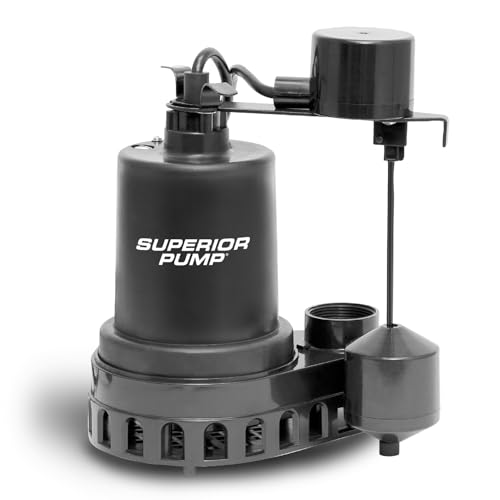








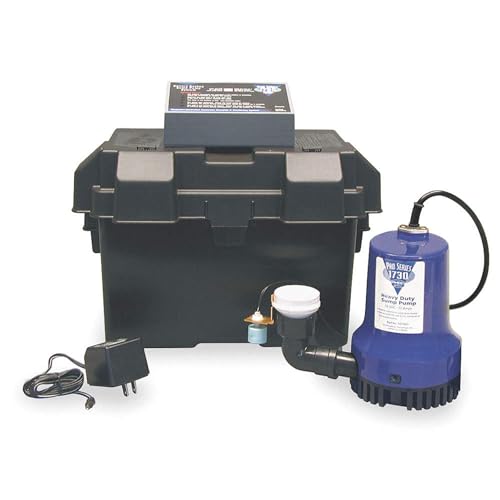


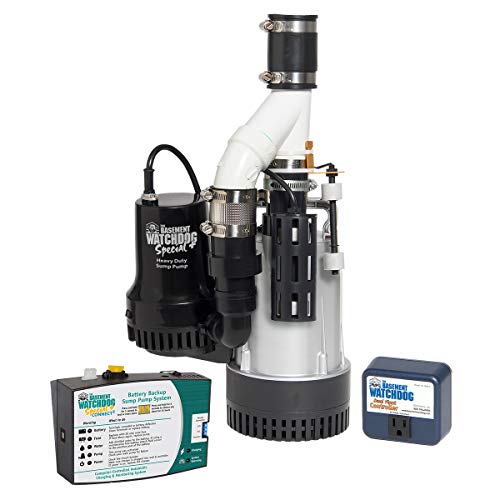


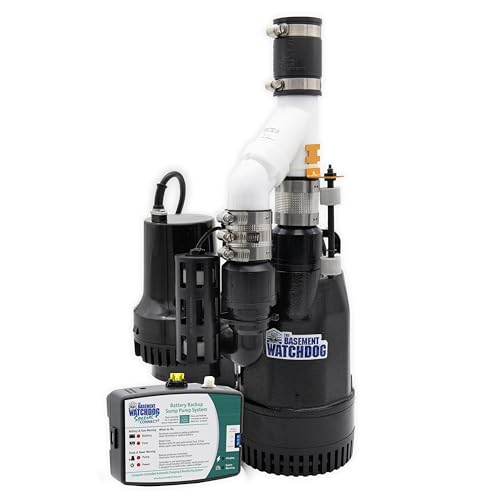


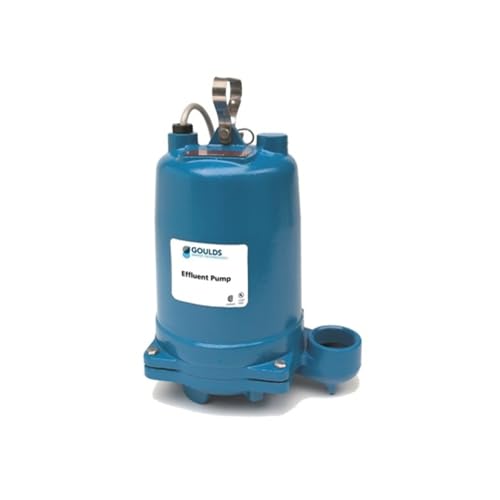


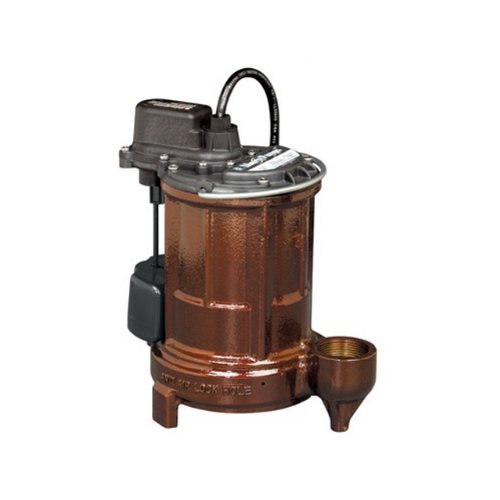


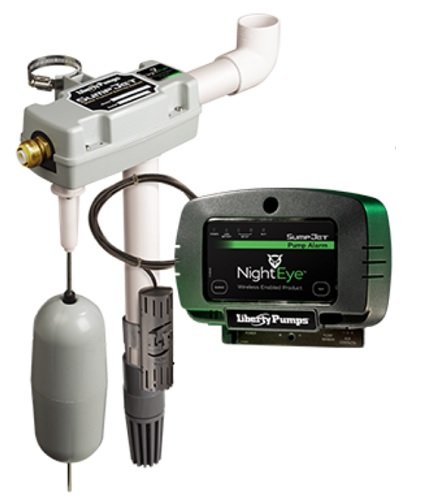


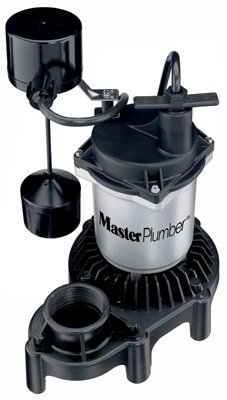


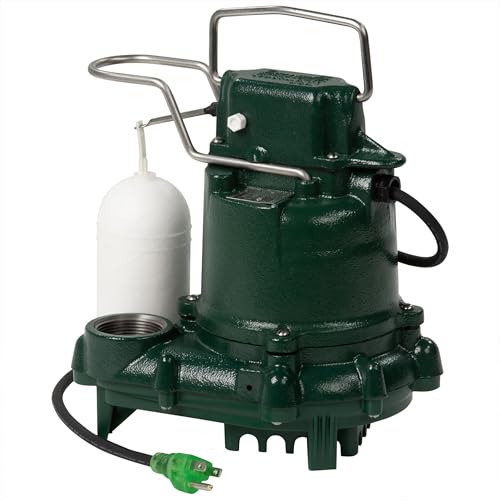
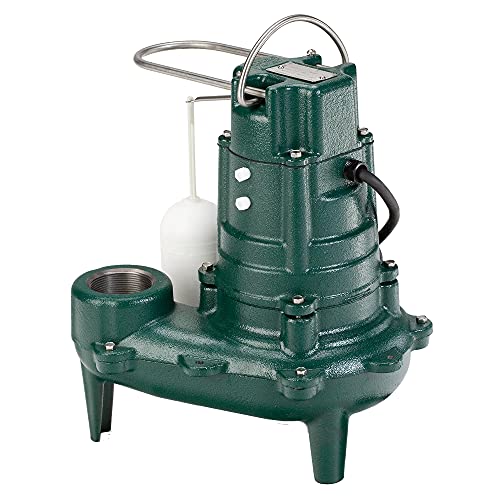


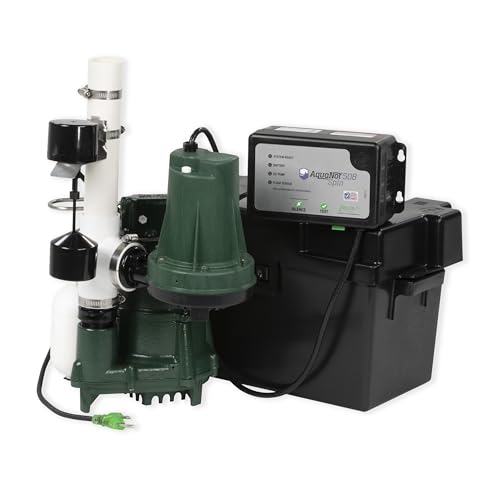

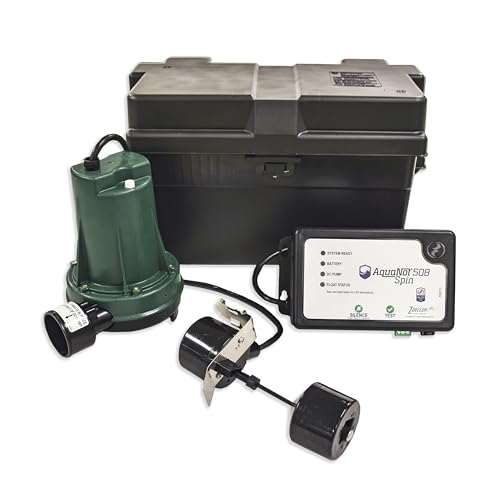
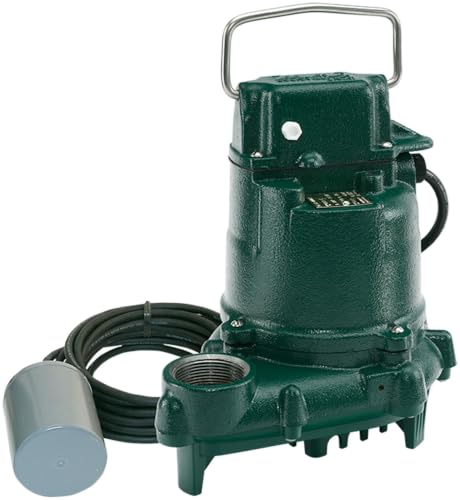
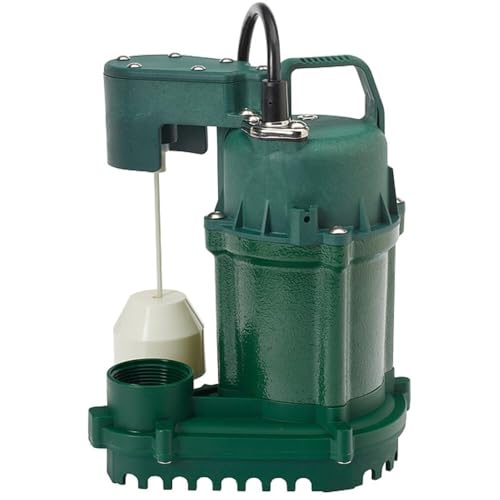


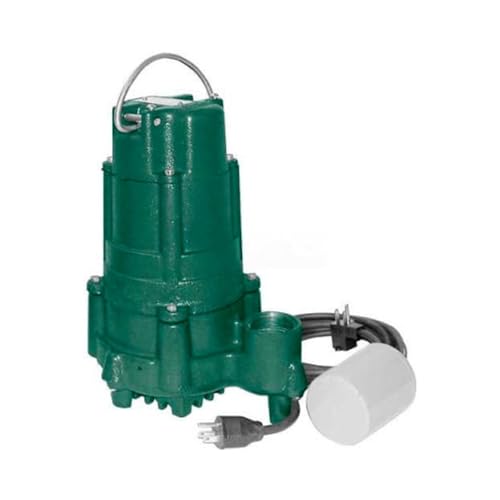

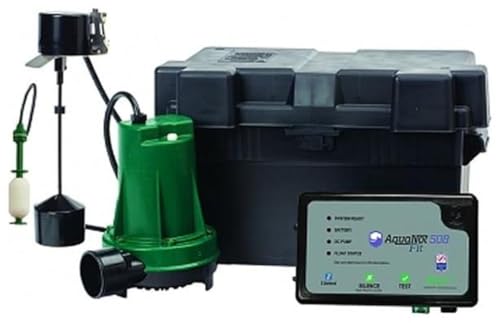
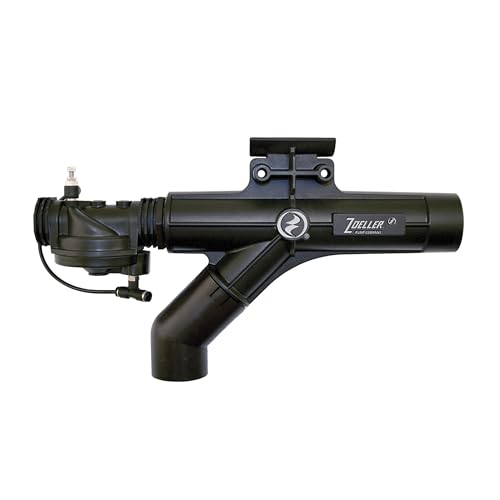


What’s in this listEvery sump pump in our data, highest stated flow first. “—” means neither the maker nor the Amazon listing states it.
What a sump pump does, and who needs one
A sump pump is the last step in a drainage system you mostly can't see. Drain tile or gravel around the footings carries groundwater to a pit in the basement floor, called the sump. When the water in the pit rises, a switch turns the pump on. The pump pushes the water up a pipe and out of the house.
NDSU Extension calls the sump and its pump the first line of defense against water in the basement for many homeowners. It also notes that many houses have drain tile around only part of the foundation, so where the pit sits matters.
You need a basement sump pump if:
- Your house already has a pit. It needs a working pump in it.
- The basement takes on water after heavy rain or snowmelt and a plumber has recommended a sump system.
You probably don't need one if the basement has never had water and there's no pit. Start with the gutters, the downspouts and the grading.
The table above shows every sump pump in our data, sorted by the flow its maker states. The rest of this page explains each column, then the styles, then how to keep one running.
What to look at in a sump pump listing
Read the plate first. On a listing, the plate is the spec list, and these are the lines that matter.
Horsepower (HP)
Horsepower is the motor size. NDSU Extension says there's no single correct size for a house: the drainage area feeding the pit, the depth to groundwater and the depth of the basement all play into it. A 1/3 HP pump is satisfactory for most houses. The City of Edmonton's buying checklist sets the same floor.
NDSU adds that in similar conditions a 1/2 HP pump moves more water and lifts it higher than a 1/3 HP pump. Where water flows into the pit slowly, there's no advantage to the larger pump. Where flow can become rapid, the 1/2 HP pump may keep up where the 1/3 HP may not. The table covers fractional sizes and pumps past 1 HP.
"Heavy duty" shows up in a lot of listing titles. It isn't a spec. It's a mood. The HP, the flow and the housing tell you what the words don't.
Flow (GPH) and the lift it was measured at
Flow is how much water the pump moves, in gallons per hour (GPH). The trouble is that a GPH number in a title rarely says how high the pump was lifting the water at the time. Lift, also called head, is the height from the pit up to where the pipe leaves the house. Flow drops as lift rises.
NDSU says most new sump pumps come with a chart or graph, on the box or in the instructions, showing flow against height of lift. One maker's spec page for a 1/2 HP pump shows the gap: 6,000 GPH maximum capacity, and 4,140 GPH at 10 feet.
So a high capacity sump pump on paper may move far less at your lift. Compare pumps at the same height, in the same unit the makers use. We show flow as the maker lists it and never convert gallons per minute into GPH ourselves.
Max head
Max head is the height where the pump's flow runs out. Your measured lift should sit well below it. Edmonton's guide describes pump head as the distance from the sump level to where the pipe exits the home, and counts the distance the water travels too. Its checklist minimum is about 10 to 12 feet of head. Several listings in the table don't state a max head; those show a dash, and the maker's chart is the place to look.
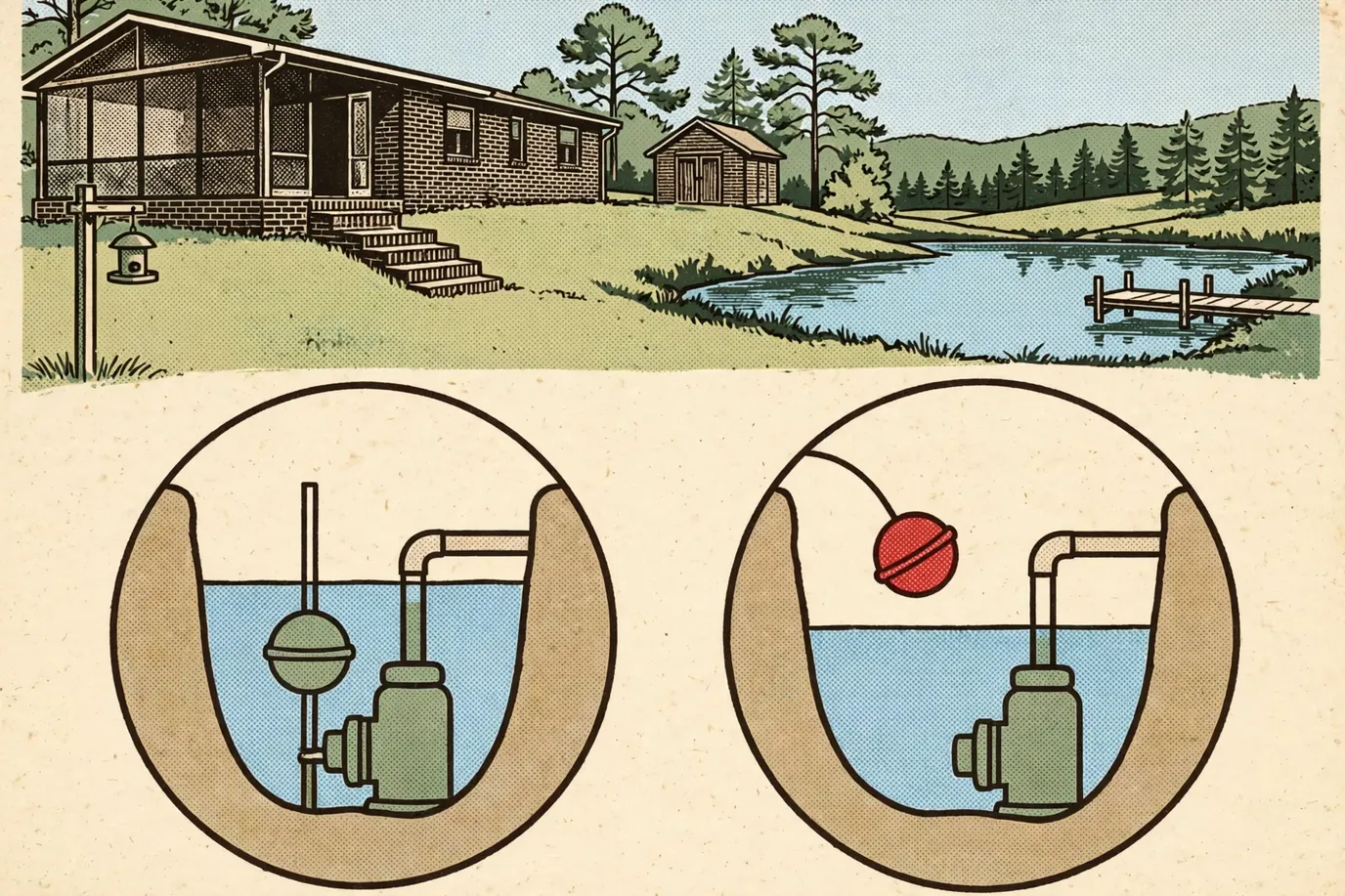
Switch type: float switch, vertical float or tethered
The switch turns an automatic sump pump on when water rises and off when it drops. Listings name a few kinds:
- Vertical float: a float that slides up and down a rod on the side of the pump
- Tethered float: a float on a short cord that swings up with the water
- Electronic switch: a sensor with no moving float, where the listing says so
A sump pump with a vertical float stays close to its own body, which helps in a narrow pit. A tethered float needs room to swing without catching on the wall; the maker spec page above asks for a basin 14 inches or wider for its tethered model. Measure the pit's width before you shop, then check the minimum basin size in the manual.
NDSU notes one advantage of pedestal pumps: their switch is out in the open, so you can watch the ball float work.
Ken's take: the float switch is the only level in the house that gets to make decisions. He'd like that job.
Pump style
The listing names the style: submersible, pedestal, battery backup, or a primary and backup combo. The section below explains each one.
Housing material
The housing is the pump's body. Listings in the table name cast iron, stainless steel, coated steel or thermoplastic, a hard plastic. We show it as stated and don't rank by it, because none of the sources we read compares how the housings hold up. Edmonton's guide says only that a pedestal type may be better in highly corrosive areas.
Discharge size
The discharge is the outlet the pipe connects to. Most listings that state it give 1-1/2 inch or 2 inch. Edmonton's checklist calls for a 1 1/4-inch discharge line. Match the pump to your existing pipe, or fit it the way the manual shows.
Electrical listing
Some listings state a safety listing such as UL. Edmonton's guide suggests checking that a pump meets a recognized standard before you buy. We show it only when the listing names it.
Wi-Fi monitoring
A few listings state Wi-Fi monitoring, which sends alerts to your phone. That's what a smart sump pump or Wi-Fi sump pump usually means on a listing. We show the feature only when the listing names it, and we don't describe the app beyond what the listing says. The basement now has my phone number. It doesn't call to chat.
Submersible, pedestal and backup: which style fits
Most of the table is submersible. The other styles have their own pages as they open.
Submersible sump pumps
A submersible pump sits on the bottom of the pit, under water, with a sealed motor. Community Association Underwriters of America, an insurer, says submersibles are much quieter than pedestal pumps and tend to have a longer life expectancy, because the sealed motor keeps moisture and dirt out. If you want a quiet sump pump, start here. None of the listings gives a noise level in decibels. See submersible sump pumps.
Pedestal sump pumps
A pedestal pump stands in the pit with its motor up on a column, where it's meant to stay dry. CAU says pedestal pumps suit basements that need frequent drainage and are noisier. NDSU says either style works well with proper maintenance. See pedestal sump pumps.
Battery backup and water-powered backup
A sump pump battery backup is a second pump set higher in the pit, run from a rechargeable battery, that takes over when the power goes out or the primary can't keep up. A water-powered backup does the same job with the home's water pressure. CAU describes both. Edmonton's guide notes that water-powered pumps aren't as efficient as electric ones. See battery backup sump pumps and water-powered sump pumps.
Combos and kits
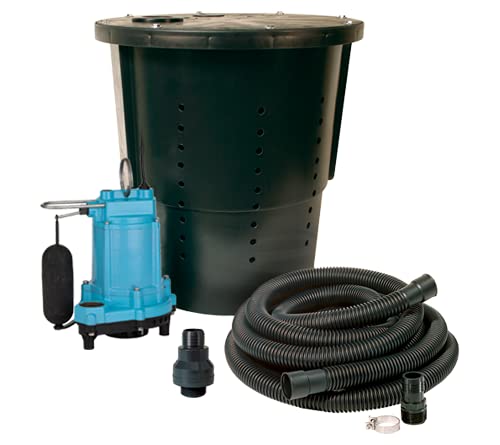
Some listings sell a primary pump and a backup together, and the table marks those as a combo. A sump pump kit can mean a combo, or a pump with a check valve or a basin; the listing title says what's in the box. Read it closely before you count on a part being included.
Crawl space and mini pumps
A crawl space or a shallow pit may need a smaller pump; see crawl space sump pumps. For water on a floor with no pit, NDSU describes small pumps that sit on a flat surface and pump water only 1/4 to 1/2 inch deep, often through a garden hose. Those are utility pumps, not sump pumps.
The sump pump system around the pump
A pump is one part of a sump pump system. The rest is just as important.
- Check valve. NDSU says both styles should have one on the discharge pipe so water doesn't flow back into the pit. A pump without a check valve does half its work twice.
- Discharge outlet. NDSU prefers the water to come out at least 20 feet from the house, draining away from it, not onto a neighbor's lot, into window wells or onto a septic drainfield.
- Not the floor drain. NDSU says not to pump into a basement floor drain, and especially not with a septic system. CAU says local codes prohibit sending sump water into the municipal sewer.
- The outlet. CAU says local codes require a GFCI outlet on a dedicated circuit as the pump's primary power source.
- A backup or an alarm. Edmonton's guide calls it a good idea to have one or the other, to warn you if the pump fails.
The City of Ann Arbor lists why primary pumps fail: lost power, a stuck float, a burned-out motor, a clog, a failed check valve, a blocked discharge pipe, or more water than the pump can handle. Its point is that a backup adds cost and upkeep, so weigh your own risk. Do you lose power often? Has the basement flooded before? How often is someone home to check?
Keeping a sump pump running
CAU suggests testing sump pumps at least once a year, and the maker's manual lists the specific steps for each model. Unplug the pump before you reach into the pit. NDSU's test is in the questions below.
A few habits help between tests:
- Clear debris from the bottom of the pit
- Check that the float moves freely
- Walk outside and make sure the outlet is clear
- Listen for a pump that runs and runs with nothing coming out
NDSU notes that pumps don't have filters, but the screen or small openings where water enters can plug. It also says most sump pump motors have built-in thermal protection. If a frozen pipe makes one overheat, shut it off and let it cool.
Sump pump price and where to buy
We don't show prices on this site. The "Check price" button opens the current listing on Amazon US, where the sump pump price is set and changes often. The order in the table has nothing to do with price. Brands appear as the data sorts them, with links to each brand's own page: Wayne, Basement Watchdog, Zoeller, Superior Pump, Red Lion, VEVOR, DEWALT, XtremepowerUS and more.
For a shorter list built on a stricter rule, see the best sump pumps. To size one, the sump pump sizing guide walks through it.
Read the plate first. Then go look at your pit.
Related
Guides
Questions people ask
How do you install or replace a sump pump?
Follow the maker's instructions for that model. NDSU Extension says almost all sump pumps come with a list of tools and directions, and replacing one shouldn't be hard for the average person. Unplug the old pump first. Community Association Underwriters of America says to check with your local building code official for permits, and that codes call for a GFCI outlet on a dedicated circuit.
How do you test a sump pump?
NDSU Extension's steps: make sure the outlet pipe outside isn't frozen or plugged, check that the pump is plugged in, then lift the lid and check the pit is clean and the intake clear. Slowly pour about 5 gallons of water into the pit. Watch the switch and listen to the pump, and make it turn on and off at least twice.
How do you install a battery backup sump pump?
As the backup's manual shows. Community Association Underwriters of America describes the most common setup: a second pump installed at a higher level in the same pit, run from a rechargeable battery, plugged into the GFCI outlet. CAU recommends having a licensed and insured plumber install a backup system, and an electrician for any generator connection.
Does a sump pump need a check valve?
Yes. NDSU Extension says either type of pump should have a check valve on the discharge pipe, so water doesn't flow back into the pit when the pump shuts off. Without one, the pump turns on and off more often than it needs to, which can shorten its life. Some pumps ship with one; the listing or manual says which.
What is an automatic sump pump?
An automatic sump pump has a switch that turns it on when the water rises and off when it drops, with no one standing by. Many listings in this table state an automatic switch: a vertical float, a tethered float, or an electronic switch. A manual pump, like many utility pumps, runs only while it's plugged in or switched on.
Sources
- NDSU Extension Service (Tom Scherer, Agricultural Engineer): Sump Pump Questions, via City of Morton, ND — accessed 2026-10-31
- Community Association Underwriters of America: Avoiding Problems with Sump Pumps (Risk Management Guide P-7, 2011) — accessed 2026-10-31
- City of Ann Arbor, Michigan: Sump Pump Backup Options — accessed 2026-10-31
- City of Edmonton: Sump Pump Guide (maintenance and replacement) — accessed 2026-10-31
- Pentair: Simer 4185 1/2 HP submersible sump pump, tethered switch — maker spec page (flow at 10 ft lift, minimum sump diameter) — accessed 2026-10-31