Section
Air Purifiers, Humidifiers and Water Filters
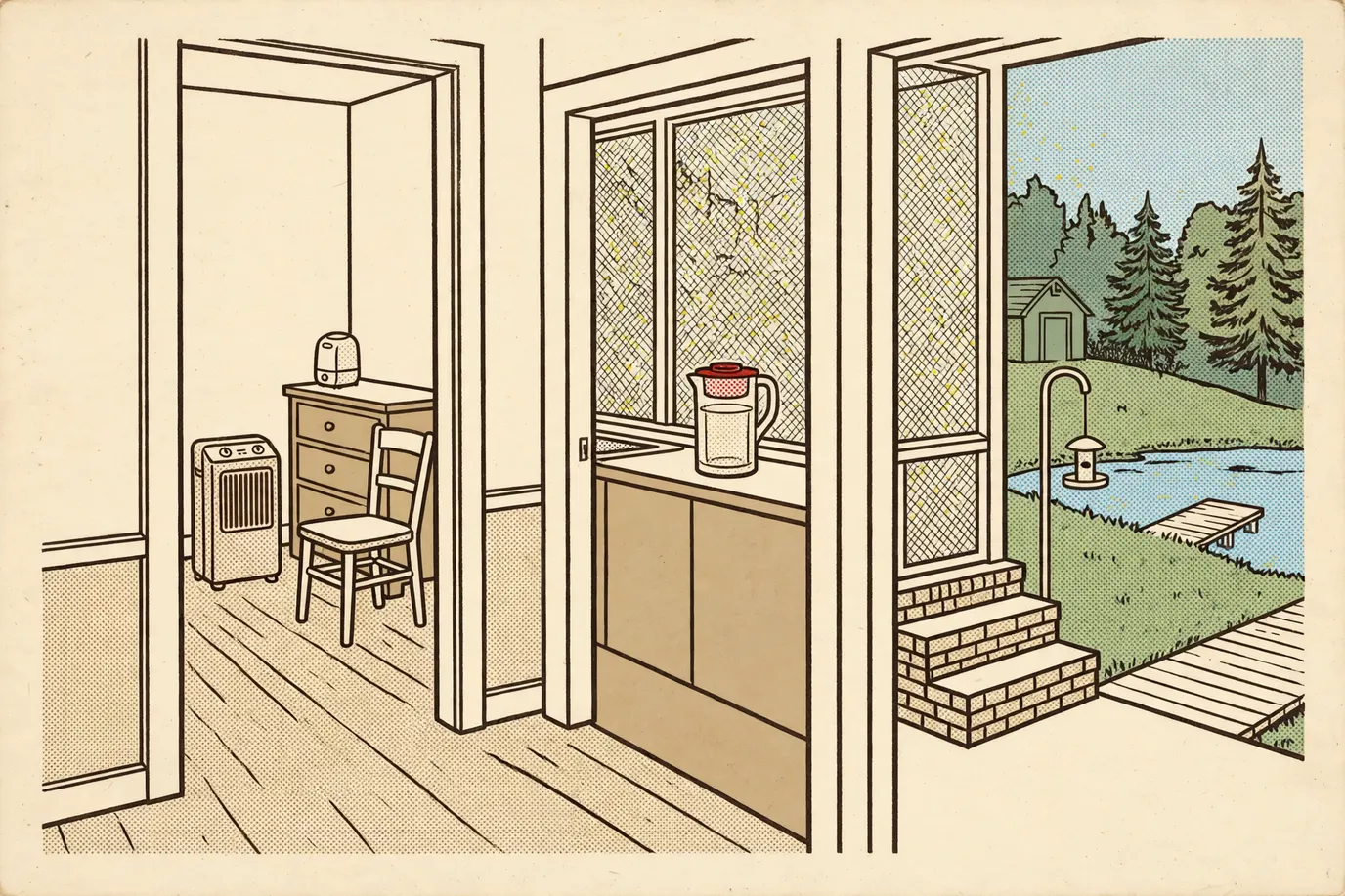
This section covers the air and water inside the house: air purifiers and their replacement filters, humidifiers, water dispensers and water filter pitchers. On an air purifier for home use, the two numbers I read first are the room size and the clean air delivery rate, or CADR. On a water filter, it's the certification number. Every table shows what the maker or the listing states, and nothing more. I'm Dell Pruitt. I retired from residential heating and air service, and I still read the filter label before I read the box.
What’s in this section
Best-of lists
Best Humidifier for Bedroom Use
Humidifiers whose maker states a noise level in decibels and a tank size, quietest stated level first, at most two per brand.
Best Humidifier for Baby and Nursery Rooms
Cool-mist and evaporative humidifiers whose maker states an automatic shut-off, quietest stated level first. Warm-mist models are left out on purpose. This is product information, not medical advice.
Best Humidifier Picks, Largest Tank First
Humidifiers whose maker states the tank size and the type (ultrasonic, evaporative, steam), largest tank first, at most two per brand and five per type.
Brands in this section
What's in the air purifier and water section
Everything in this section works on the air you breathe or the water you drink, so it gets the strictest rules on the site. We describe each product by what its listing and certifications say. We don't promise anything about health. Not because we're shy, but because a box can't know your lungs, your house or your water.
The section is grouped three ways:
- Air purifiers and their replacement filters
- Humidifiers and their filters
- Water dispensers and filters, from bottle coolers to filter pitchers
The cards above show every type page that's open now. Best-of lists for purifiers open through the year, and humidifier pages lead in winter, when the furnace dries the house out.
Air purifiers: CADR and room size first
An air purifier for home use is a fan and a filter in a box. The box decides how it looks. The fan and the filter decide what it does. Two numbers tell you most of what you need.
CADR. Clean air delivery rate is a lab number for how fast a purifier cleans a room's air of particles. AHAM, the home appliance makers' association, runs the test, and it gives three CADR scores: tobacco smoke, dust and pollen. The EPA's guide to air cleaners notes these stand for small, medium and large particles, and that the rating covers particles only, not gases. For the smallest particles, the smoke number is the one to compare. Highest CADR isn't automatically best; the right CADR is the one that fits your room.
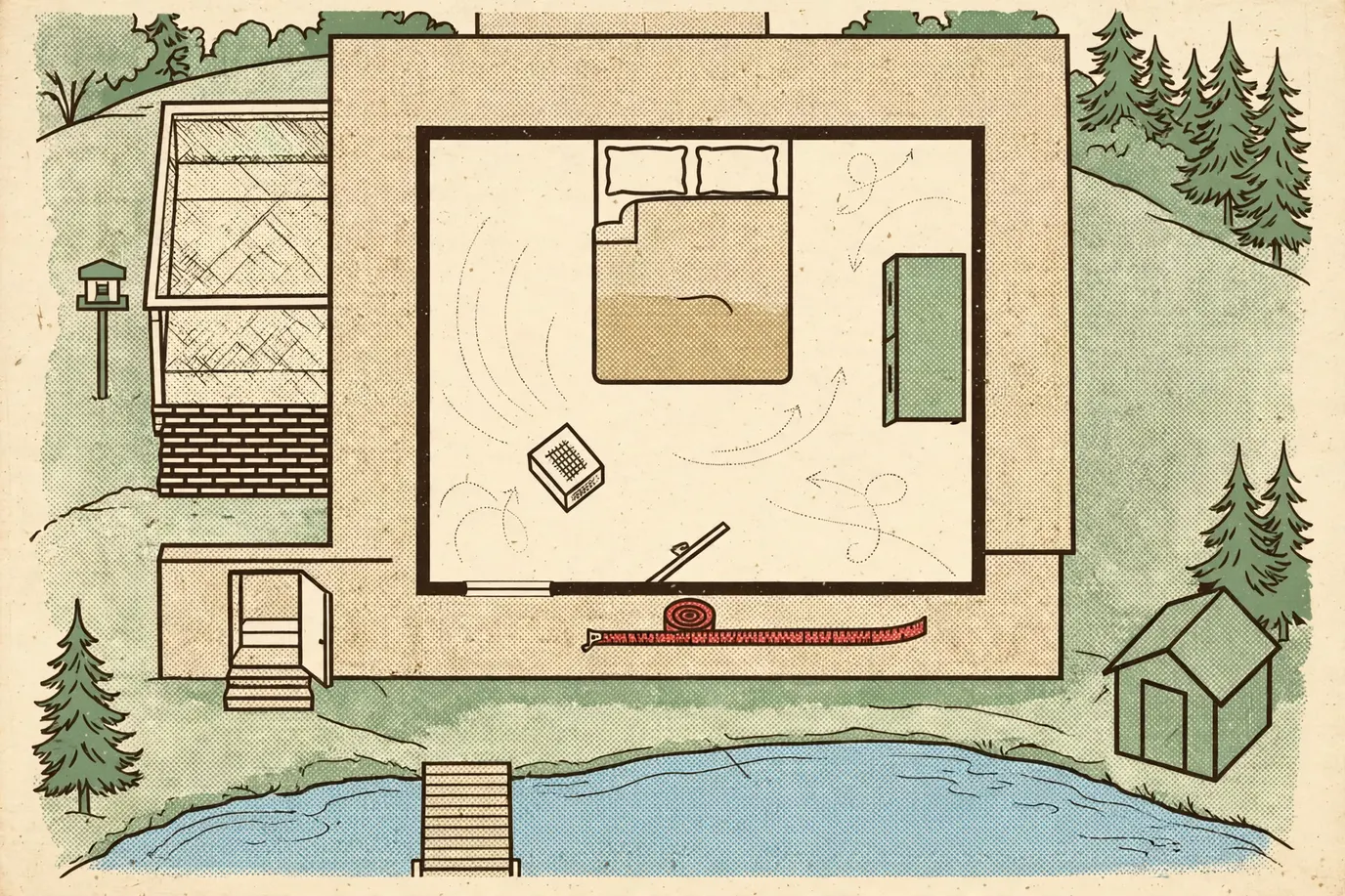
Room size. AHAM's rule is that a purifier's CADR should be at least two-thirds of the room's area in square feet, for a room with 8-foot ceilings. A 10 by 12 foot bedroom is 120 square feet, so you'd want a smoke CADR of at least 80. Higher ceilings need a unit rated for a bigger room. If you have an open floor plan, the EPA says to treat it as one big space.
Here's my one opinion on this page. The room size and CADR from the maker matter more than any square-feet-per-hour headline on the front of the box. Some listings give a big room number and no CADR at all. When that happens, our table says the CADR isn't stated, and I'd keep shopping.
Filters, towers and the rest of the box
- Filter type. "True HEPA" is a filter standard for fine particles. It appears in our tables only when the listing states it. Activated carbon filters are for odors and some gases; check that the listing names one.
- Filter cost over time. The replacement filter is the part you'll buy again and again. Our air purifier filters page lists replacements by the models they fit.
- Tower or box. A tower purifier is tall and narrow and saves floor space. It's a shape, not a grade. Judge it by CADR and room size like any other.
- Noise. Decibel numbers appear only when the maker lists them, usually for the lowest and highest fan settings.
Ozone: what to avoid
Some air cleaners make ozone on purpose, and some technologies can make it as a side effect. The EPA's guide calls ozone a lung irritant and advises avoiding air cleaners that intentionally produce it. It lists ionizers, electrostatic precipitators, some UV lights and plasma devices among those that may emit ozone.
California sets the strictest rule. Since 2010, the California Air Resources Board has required indoor air cleaners sold in the state to emit less than 0.050 parts per million of ozone and to carry an "ARB Certified" label. CARB keeps a public list of certified devices. On our pages, CARB certification or an "ozone-free" statement appears only when the listing makes it. If neither is stated, the table says so.
Avoid devices that produce ozone on purpose. Look for CARB certification, and follow the maker's filter-change schedule.
Pollen week on Haw River Road
Here's the one family story for this section. Every April the pine trees around the pond let go of their pollen all at once. For about a week the porch screens turn yellow, the pond goes green-gold and the truck looks like it was dusted for fingerprints.
That same weekend, every year, I change the furnace filter and write the date on the notepad taped inside the coat closet. The notepad goes back further than some of the furniture. The EPA's guide to air cleaners says most filters need replacing every 60 to 90 days, sooner if they look heavily soiled, and that the maker's schedule comes first. Pollen week is just how I remember to look.
Ana's ruling: the closet notepad is the only filing system in this house she didn't design, and the only one she's never had to fix. I'll take it.
Humidifiers
Humidifiers are the winter half of the section. Start with humidifiers, then narrow by type:
- Cool mist humidifiers, including ultrasonic humidifiers, which make mist with a vibrating plate
- Evaporative humidifiers, which blow air through a wet wick, and their humidifier filters
- Warm mist humidifiers, which boil water into steam
- Best-of lists: best humidifiers, for the bedroom and for a baby's room
The EPA's page on home humidifiers is plain about care. Empty, dry and refill a portable unit daily, and scrub the tank every third day. Use low-mineral water such as distilled, especially in ultrasonic models, which can spread tap-water minerals as a fine white dust. Keep indoor humidity at or below 50 percent. If water beads up on the windows, turn it down.
Clean it as often as the maker says and use the water type the manual calls for. A dirty tank can put bacteria and minerals into the air.
Water dispensers and filters
The water group runs from coolers to pitchers.
- Water dispensers and countertop water dispensers: top-load or bottom-load, meaning where the bottle goes, with hot and cold options as listed
- Water filter dispensers: large filtered tanks with a spigot, for the counter or the fridge
- Filter pitchers, faucet filters and gravity filters, opening through the year
A water filter does what its certification says and nothing more. NSF/ANSI 42 covers aesthetic claims such as chlorine taste and odor. NSF/ANSI 53 covers health-related contaminants, and each certified product lists the exact contaminants it was tested for. The EPA's consumer tool for lead points buyers to filters certified to NSF/ANSI 53 for lead reduction and NSF/ANSI 42 for particulate reduction. On our pages, a contaminant claim appears only with the standard number from the listing or the maker. Read the contaminant list, not the front of the box.
If you're on a well, like we are, the EPA says to test your well water every year for total coliform bacteria, nitrates, total dissolved solids and pH, and to use a lab certified for drinking water. A pitcher isn't a fix for a well problem.
If you're on a well, have the water tested by a certified lab before choosing a filter. A filter only removes what its certification lists.
How to read a listing in this section
Rule of thumb: the front of the box sells, the back of the box tells. Before anything in this section gets near a table, here's what I look for.
- The numbers with a test behind them. CADR for purifiers. Tank size and the maker's room size for humidifiers. The NSF/ANSI standard number for filters.
- The claim words. True HEPA, CARB certified, ozone-free, NSF certified. They show up on our pages only when the listing says them about that exact model.
- The replacement parts. What filter it takes, how often the maker says to change it, and whether that filter is actually listed for sale.
- The cleaning. How the tank comes apart, and whether a brush can reach the corners.
If a listing is all adjectives and no numbers, that tells you something too.
Healthy home products, without the promises
People search for "healthy home products" and gifts for allergy sufferers every winter. We understand why. But nothing in this section is a medical device on our pages, and we won't describe any of it as one. What we can tell you is what a purifier's CADR is, what a filter is certified for and how often a humidifier needs cleaning. That's real information, and it's enough to choose well.
This is general product information, not medical advice. Ask your doctor or pediatrician what's right for your situation.
If the house is comfortable and nobody's bothered by the air, you may not need a purifier at all. Change the furnace filter on time first. It's the cheapest air cleaner in the house, and it's already installed.
Related
Questions people ask
What size air purifier do I need?
Measure the room: length times width gives square feet. AHAM, the appliance makers' association that runs the CADR test, says an air cleaner's CADR should be at least two-thirds of the room's area. A 10 by 12 foot room is 120 square feet, so look for a smoke CADR of at least 80. For ceilings higher than 8 feet, AHAM says to choose one rated for a larger room.
How long should I run an air purifier?
The EPA's guide to air cleaners in the home says that higher fan speeds and longer run times increase the amount of air filtered. Many people run a portable purifier whenever they're in the room, on the setting they can live with. Follow the maker's filter-change schedule, since the EPA notes a dirty, overloaded filter won't work well.
What does an air purifier do?
A portable air purifier pulls room air through a filter and pushes it back out. The EPA notes that the CADR rating covers particles only, with separate numbers for tobacco smoke, dust and pollen, from smallest to largest particles. Gases and odors need a different kind of filter, such as activated carbon, and only some models list one. We describe each purifier by what its listing and certifications state.
Do air purifiers work, and are they worth it?
They filter particles from the air of the room they're in, and the CADR number tells you how fast. Whether that's worth it for you depends on the room, the size match and whether you'll replace the filters on time. We don't make health claims for any purifier. If you're buying for a health reason, ask your doctor what's right for your situation first.
What is a tower air purifier?
A tall, narrow purifier that stands on the floor and takes up less floor space than a wide box. Tower is a shape, not a performance class. Judge a tower the same way as any other purifier: by the CADR and room size the maker lists, the filter type it states, and how often its filters need replacing.
Sources
- U.S. EPA: Guide to Air Cleaners in the Home — accessed 2026-10-24
- AHAM Verifide: AHAM's Air Filtration Standards — accessed 2026-10-24
- California Air Resources Board: California's Regulation to Limit Ozone Emissions from Indoor Air Cleaning Devices — accessed 2026-10-24
- U.S. EPA: Use and Care of Home Humidifiers — accessed 2026-10-24
- U.S. EPA: Consumer Tool for Identifying Point-of-Use and Pitcher Filters Certified to Reduce Lead in Drinking Water — accessed 2026-10-24
- U.S. EPA: Protect Your Home's Water (private wells) — accessed 2026-10-24